
MeshOregon is a set of standards that bring a better, faster Meshtastic experience to Oregon and allows seamless roaming and cross-chat between meshes that participate in MeshOregon
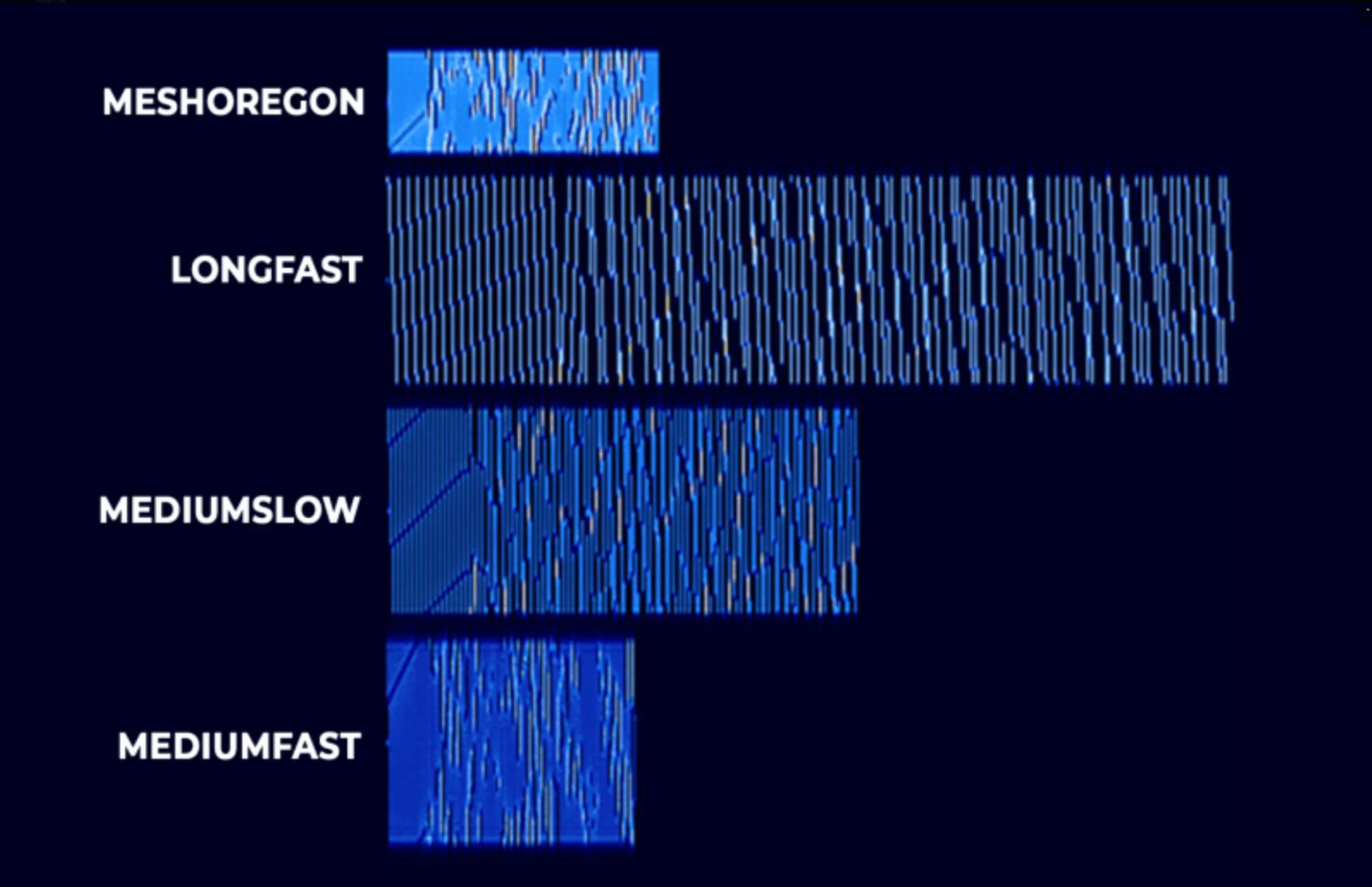
MeshOregon is narrower and faster than competing presets.
Taking a cue from a competing mesh protocol, we are using a narrower bandwidth than most Meshtastic presets. In doing so, we’ve found better SNRs across all of our testing. Additionally, the narrower bandwidth allows us to better “squeeze in” between interference.
The MeshOregon preset also allows over 3kbps of traffic – about 3x more than LongFast.
MeshOregon packets finish transmitting faster, significantly reducing the odds of collisions.
There’s SO MUCH traffic on LongFast, that, odds are, all of the nodes are stepping on each other’s transmissions frequently, and reducing success. MeshOregon’s packets transmit faster, meaning the odds of collisions are reduced significantly.
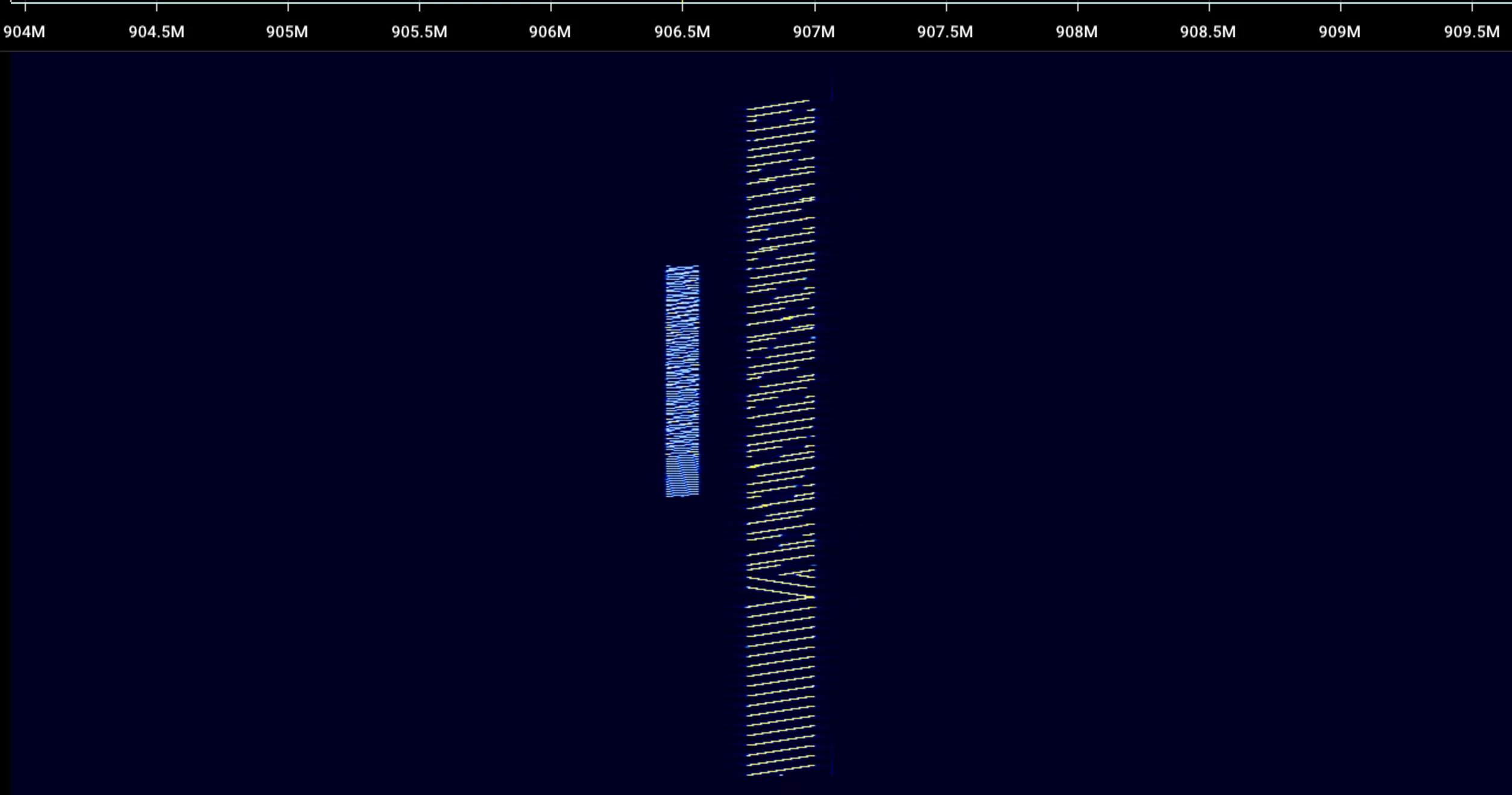
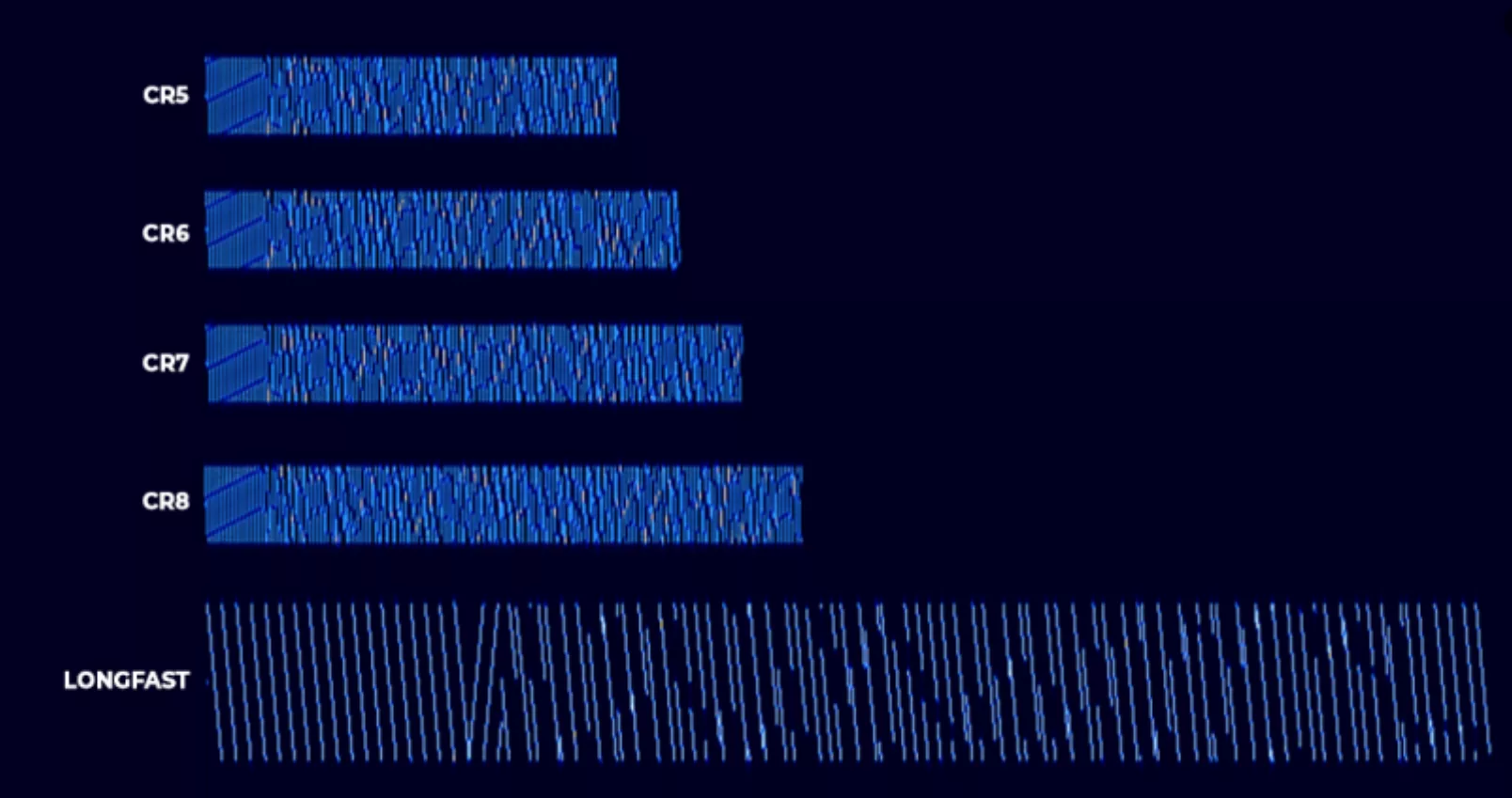
MeshOregon is tuned for optimal link budget vs. data rate
Everything is a compromise. The faster you go, the more range you lose. MeshOregon’s settings allow us to easily make links across 50-mile+ spans between well-placed infrastructure nodes, while still giving us the speed we need. In short: We found a sweet spot. One that isn’t addressed by any of the current Meshtastic modem presets. Why don’t we use MediumFast? Because, we tried it. This is better.
MeshOregon’s frequency was carefully chosen to avoid interference
We asked users from across the region to help us select MeshOregon’s frequency by running surveys from their SDRs.
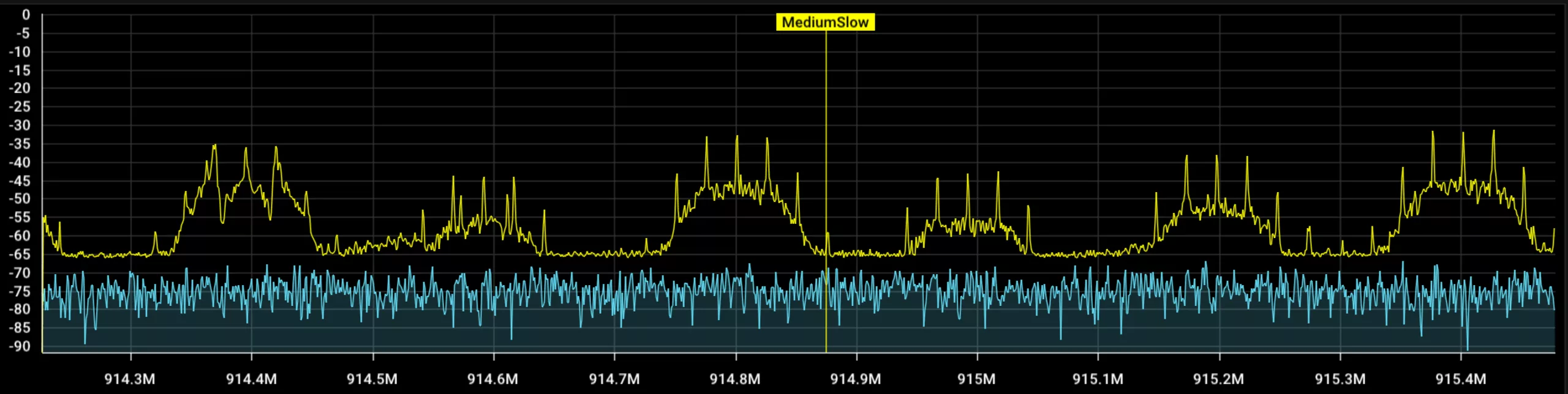
We found that, pretty consistently, the strongest noise was on even tenths of frequecies (ie, 902.0, 902.2, 902.4…). Additionally, we found the noise floor was rather consistently lower above 917.
We didn’t want to go TOO high and risk a loss in performance due to most antennas/equipment being tuned on 915MHz. So, we found a sweet spot that seemed relatively clear in all our surveys: 918.5MHz.
Meet our flagship mesh: MeshOregon Willamette Valley
With coverage spanning the Willamette Valley from Vancouver to Eugene, Willamette Valley MeshOregon is by far the most popular non-default Meshtastic mesh in Oregon (that we know of).
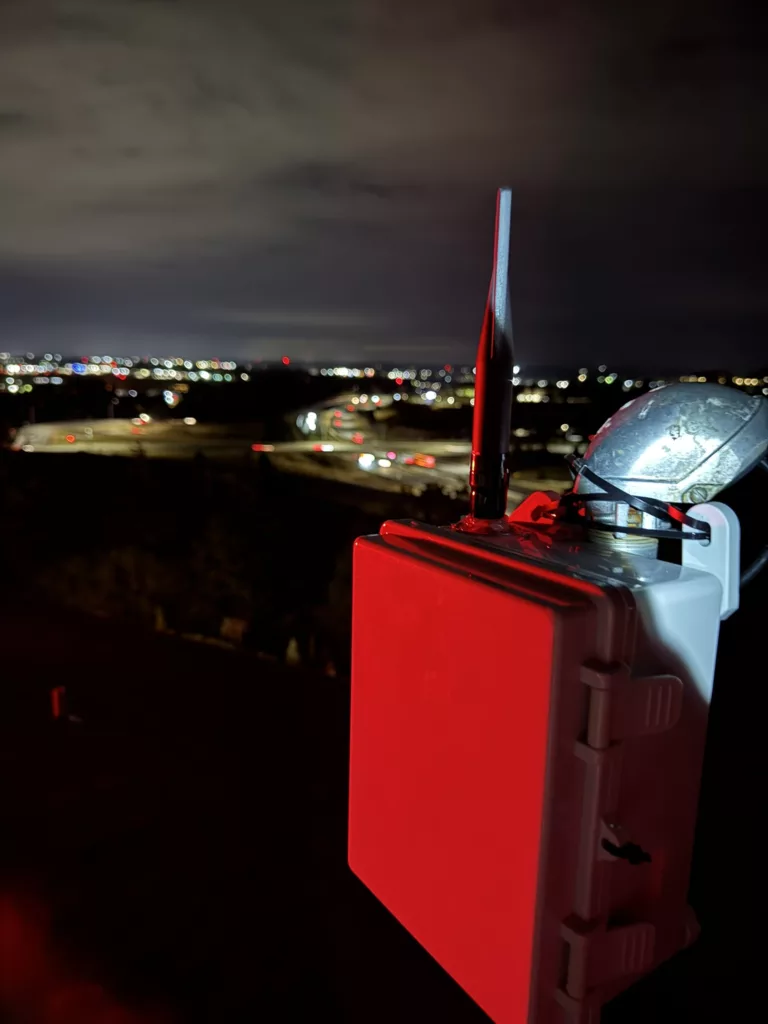
Built Infrastructure-First
Willamette Valley MeshOregon started by building its backbone, and invited users to join from there. Sites were carefully selected for maximum coverage. This allowed us to create the best backbone transport network we could and gives users a much better experience than a “true mesh”.
We utilize premium mesh hardware recommended by other organized meshes around the country, including remotely managed SBC linux native nodes, cavity filters, and more.
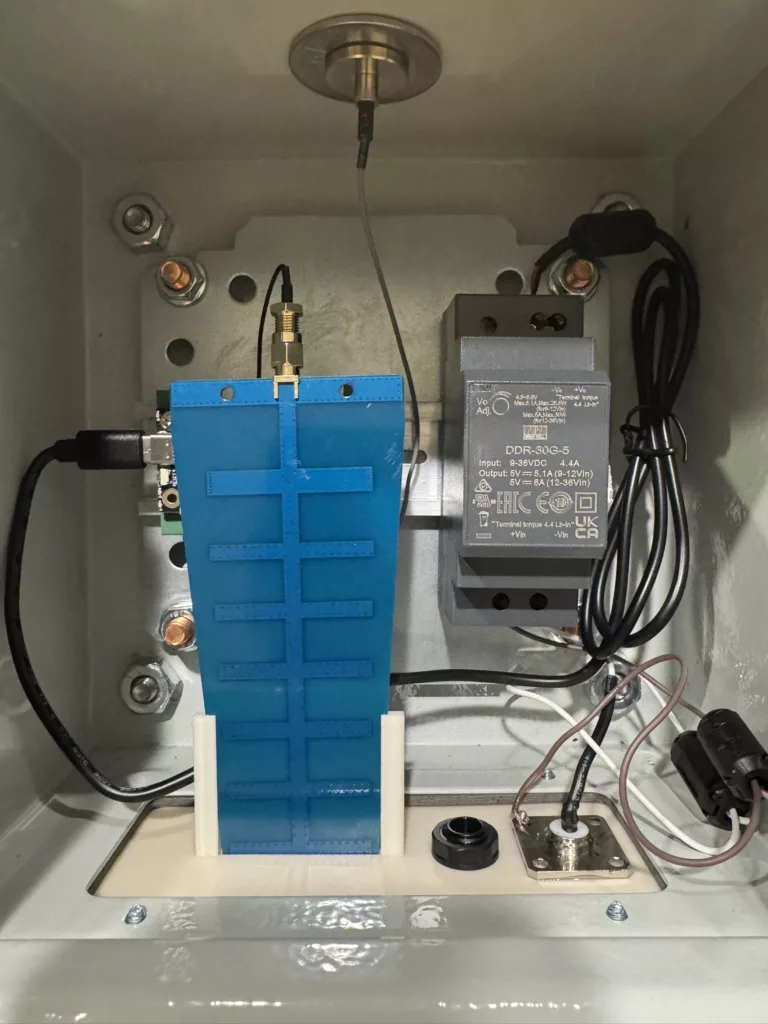
Tested every step of the way. We’ve got the data.
The Willamette Valley Mesh project was started by pdxlocs on the pdxmesh discord in mid 2025. Since the initial testing, every change we’ve made has been backed up by careful testing to ensure the best possible user experience.
Additionally, we utilize internet-connected nodes to feed our data dashboards, which further helped us build and troubleshoot the initial test mesh.
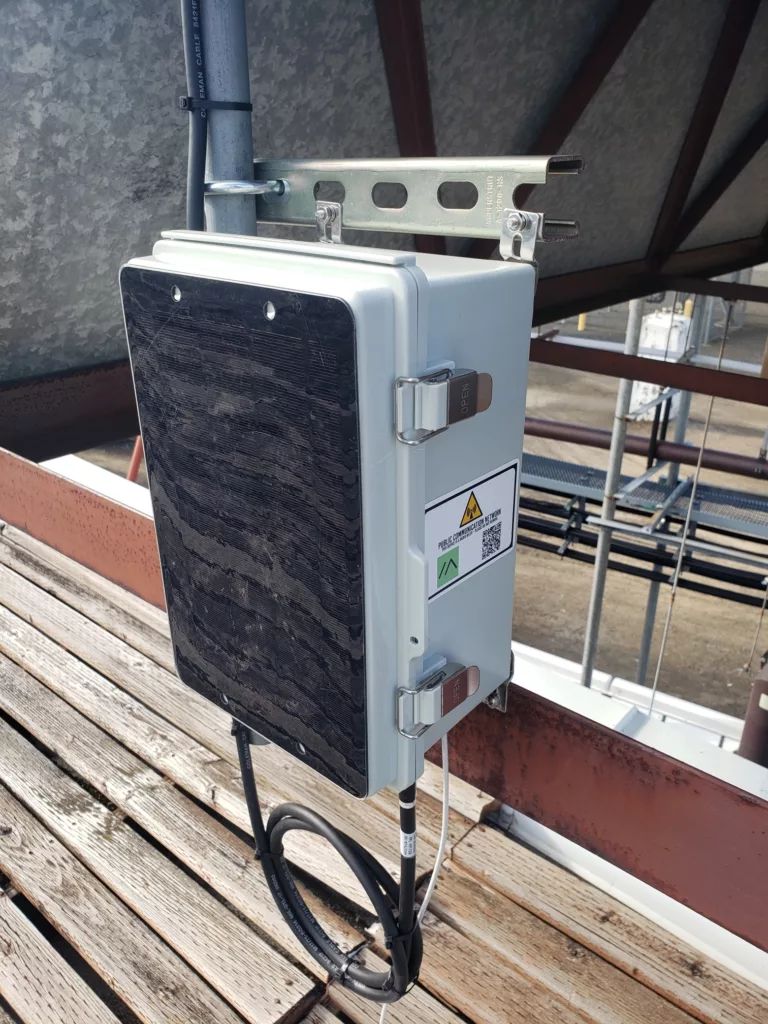
EmComm in mind
Willamette Valley MeshOregon’s backbone has been built to heavily incorporate solar power, battery backups, and redundant power sources, ensuring the network’s backbone will remain viable in the event of disruptions to regional infrastructure.
Long Story Short:
With MeshOregon, we’re making links between infrastructure across longer distances and significantly more reliably than we could with LongFast. With our careful infrastructure planning and implementation, our network is successful and scalable to meet the needs of Oregon’s growing mesh community.